Driving the Transition to a Low-Carbon Society
Climate change is reshaping how societies produce, move, and consume. Businesses play a decisive role in accelerating the transition to a low-carbon future – not only by reducing their own emissions, but by enabling more sustainable value chains.
At NG Nordic, decarbonization is integrated into everyday operations, long-term investments, and how the company creates value for customers and communities across the Nordics.
A key part of this effort is climate mitigation by contributing to avoiding emissions and expanding recycling and material recovery. The work spans several areas – from circular resource management and lower operational emissions to investments in new environmental technologies.
Cutting Emissions by Keeping Resources in Circulation
Through collection, sorting, reuse, and recycling, waste is converted into raw materials that replace virgin inputs in new production. This reduces the need for energy-intensive extraction and manufacturing while supporting more efficient use of natural resources.
Today, this circular approach enables NG Nordic to avoid around 1.5 million tonnes of CO₂ emissions annually – roughly three times more than the company’s own operational emissions. As recycling and material recovery continue to scale, the climate benefits grow.
Reducing Our Own Footprint
Decarbonizing society also means reducing emissions from NG Nordic’s own operations and supply chain.
NG Nordic is accelerating reductions in line with a 1.5°C climate pathway, focusing on high-impact areas such as fossil fuel use, purchased electricity, transport, and suppliers.
Practical improvements drive this transition. Low-carbon equipment replaces older machinery as assets reach end of life. Biofuel use is expanding, fossil fuel oil is being replaced with waste-based alternatives, and transport routes are optimized to reduce unnecessary engine idling.
By 2030, NG Nordic targets major emission reductions – including a 42% reduction in emissions from fuel use and purchased energy, and a 25% reduction in emissions linked to suppliers, transport, goods and services.
From Diesel to Biofuel – Driving the Transition on the Road
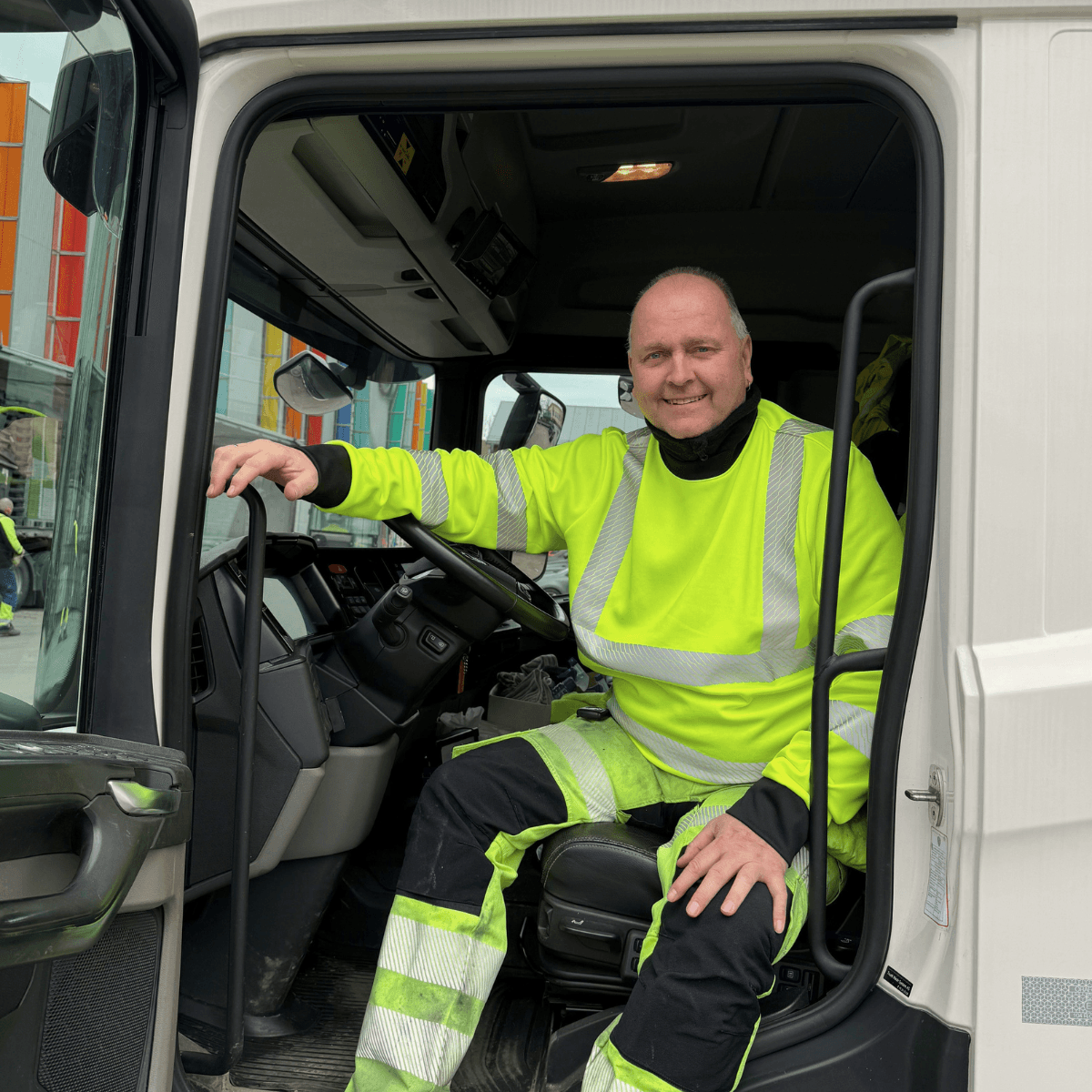
For truck driver Åge Christoffersen, the energy transition is not a strategy document or a climate target. It is everyday life behind the wheel.
Åge has been driving for NG Nordic since 2003. In early 2025, he switched from conventional diesel truck and is now part of the shift toward renewable fuels like HVO. Today, he collects general waste in Oslo with significantly lower emissions.
“For me, it’s about doing my job the right way. This is where the industry is heading, and it feels better knowing that every trip produces less CO₂. I believe this is the future — driving in a more environmentally friendly way,” says Åge Christoffersen.
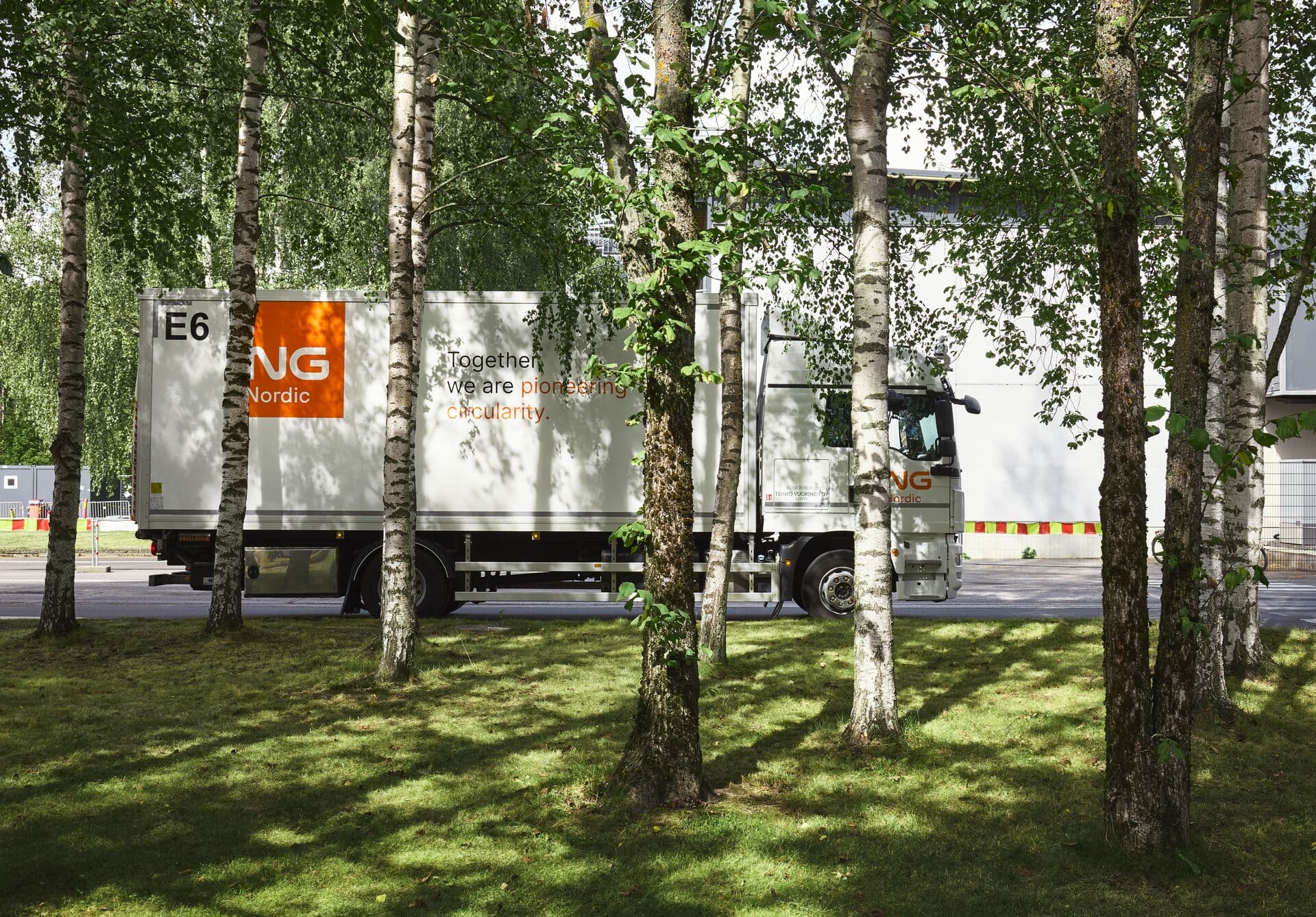
His experience reflects a much broader shift across NG Nordic’s transport operations. A growing share of the vehicle fleet now runs on low- or zero-emission solutions. Renewable fuels such as HVO and biogas are cutting emissions from heavy transport, while electric trucks and smaller vehicles are introduced wherever technology and infrastructure allow.
The transition is increasingly visible in local communities, reflected in quieter vehicles, cleaner operations, and growing public awareness.
Scaling this shift further will require continued technology development and expanded charging and fueling infrastructure, particularly outside major cities. But the direction is clear: decarbonization is everyday operations.