An old laptop is never just a laptop
In many offices, there is a drawer or storage room filled with forgotten technology. Old phones and laptops that were replaced but never collected. Servers no longer in use. Screens, chargers and cables that once supported daily work, carried information and represented real value. To many, it´s outdated equipment. To NG Nordic, it´s responsibility and value.
Mattias Kovacs, Sales and Marketing Manager for WEEE in Sweden, works close to both customers and operations at NG Nordic. His role goes beyond talking about the importance of reuse and recycling. He helps organisations understand what happens when IT equipment leaves daily use - and why that moment matters more than many realise.
“An old laptop is never just a laptop,” he says. “It holds data, resources, risk and value. The question is whether it is handled with the seriousness it deserves.”
Digitalisation has changed the way companies work. It has made organisations faster, smarter and more connected. But every upgrade also leaves something behind. Phones are replaced, computers are renewed. IT environments are modernised. Devices disappear from desks, but they do not disappear from responsibility.
For companies, this responsibility is growing. Secure handling of IT equipment is no longer just a practical task for the IT department. It is connected to data protection, sustainability, compliance, reporting and trust.
“For many years, electronic waste was mainly treated as something to get rid of,” Mattias says. “Today, more organisations understand that it is part of their security work, their sustainability work and their brand.”
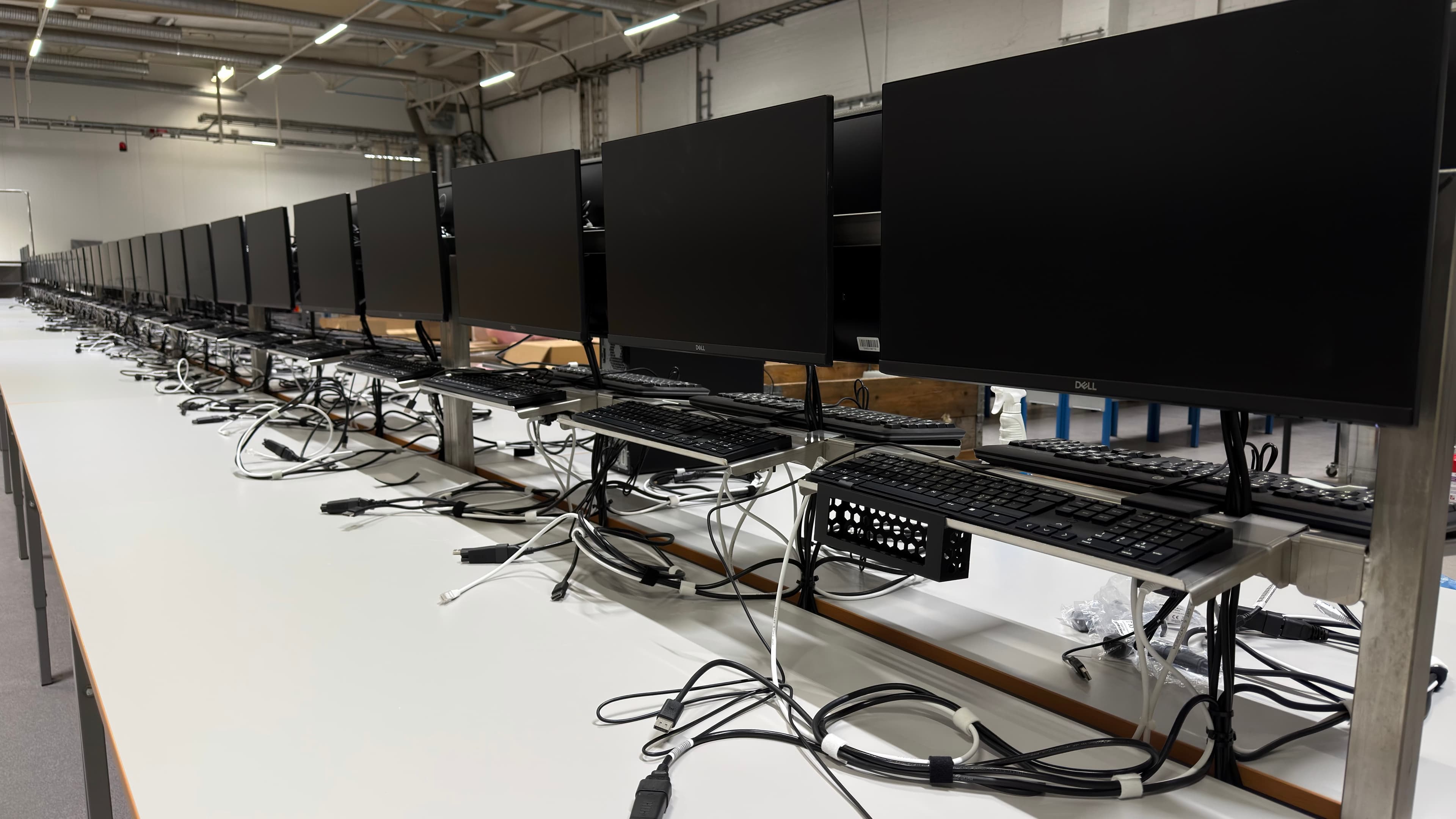
At NG Nordic, electronic equipment can be collected, registered, tested, reused, recycled or securely destroyed depending on condition, content and customer requirements. Many devices can be given a second life. Others must be dismantled. Some require secure data erasure. Others need physical destruction.
The shift is clear: from waste handling to responsible asset management.
“The companies that do this well will not see reuse as a clean-up exercise,” he says. “They will see it as part of a responsible value chain.”
The challenge is growing. More devices enter the market every year. Products become more complex. Batteries, components, critical materials and data-bearing assets require specialist knowledge and safe processes. At the same time, the demand for circular solutions continues to rise.
What no longer serves one organisation may still create value elsewhere. And when reuse is not possible, recycling critical materials becomes key to addressing resource scarcity.
The devices may be forgotten. The responsibility is not.