
Finnish road pilot explores new use for NG Nordic’s incineration bottom ash
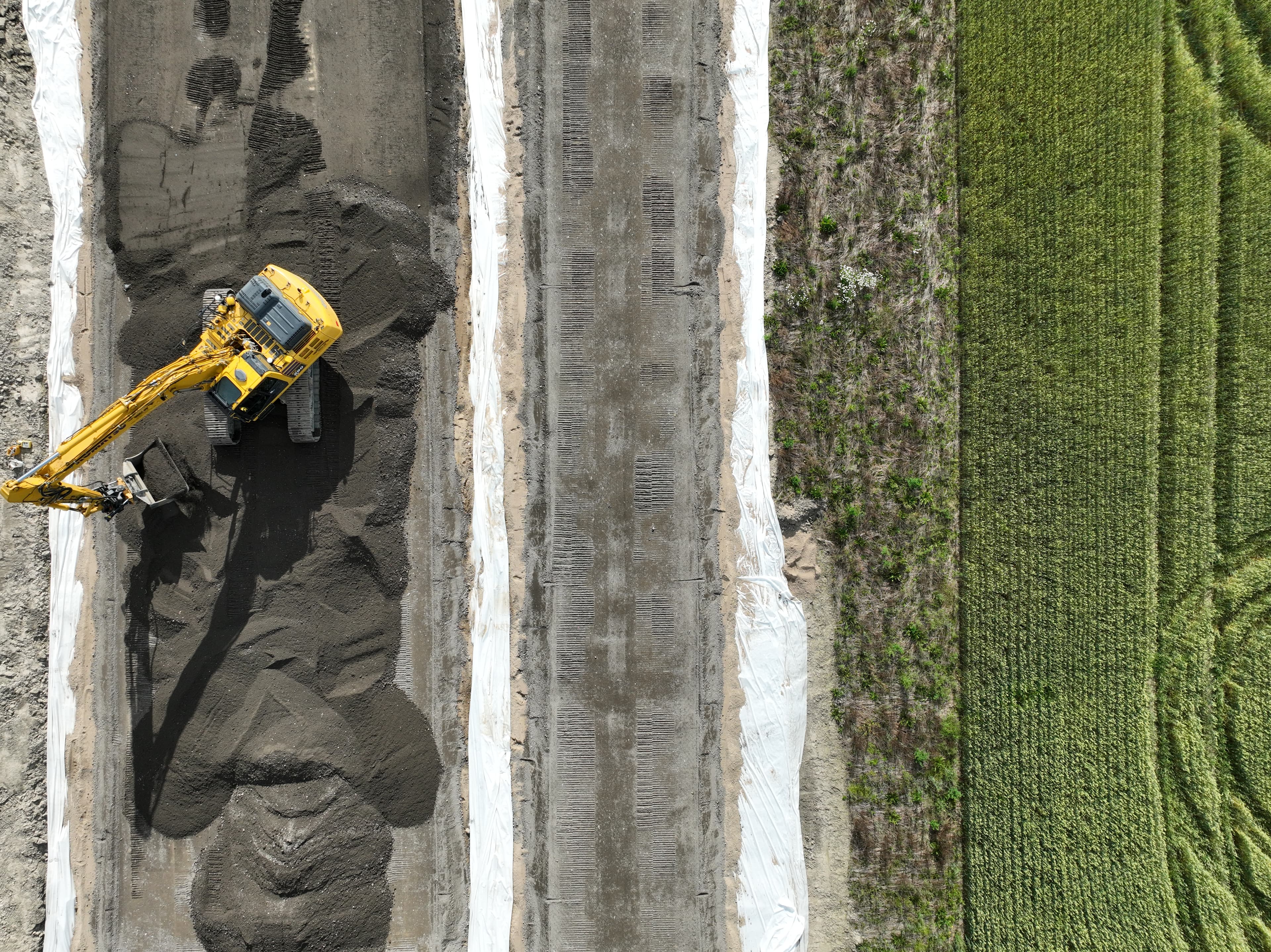
(Photo: Emilia Meriläinen, Finnmap Infra Oy)
A pilot project on Highway 12 in Finland is recovering valuable mineral resources from waste-to-energy processes. Led by the Finnish Transport Infrastructure Agency (FTIA), the project is testing whether treated incineration bottom ash (IBA) can replace virgin aggregates in road construction, helping conserve natural resources while supporting a more circular economy.
NG Nordic is one of three suppliers participating in the pilot, contributing its CE-marked Gravo aggregate produced from recovered bottom ash. The material is being evaluated alongside conventional road construction methods to assess its technical performance, durability and long-term suitability for transport infrastructure.
Unlocking the potential of circular materials
In Finland, treated IBA has been approved for use in various earth construction applications under the MARA Decree (843/2017), which establishes strict environmental requirements regarding material quality, leaching properties and construction practices.
While the regulatory framework is already in place, broader use in state road projects has been limited by the need for further technical validation. The Highway 12 pilot is therefore an important step towards demonstrating how recovered materials can meet the performance requirements of large-scale infrastructure.
For NG Nordic, the project reflects a broader ambition: turning residues from waste treatment into new resources that remain in circulation for as long as possible. NG Nordic is recovering critical raw materials and creating new value from residual waste streams.
From residue to resource
NG Nordic currently produces approximately 140,000 tonnes of IBA-based mineral products annually in Finland through its facilities in Riihimäki, Espoo and Oulu. Marketed under the name Gravo, the material undergoes treatment, quality control and CE certification before being supplied for construction applications.
If pilots such as the Highway 12 project leads to wider acceptance of IBA in road construction, it could create new opportunities to substitute virgin aggregates with recovered materials on a larger scale.
That would not only increase resource efficiency but also demonstrate how circular solutions can contribute to the development of essential infrastructure.
Building knowledge for the future
The Finnish Transport Infrastructure Agency is expected to share more information and observations from the pilot later on.
The results will be closely watched by both the infrastructure sector and circular economy stakeholders across the Nordics. Societies seek ways to reduce resource consumption and strengthen circular value chains, projects like this show how innovation, regulation and collaboration can help transform waste-derived materials into part of tomorrow's infrastructure.