NG Nordic successfully demonstrates Carbon Capture at Hazardous Waste facility in Denmark
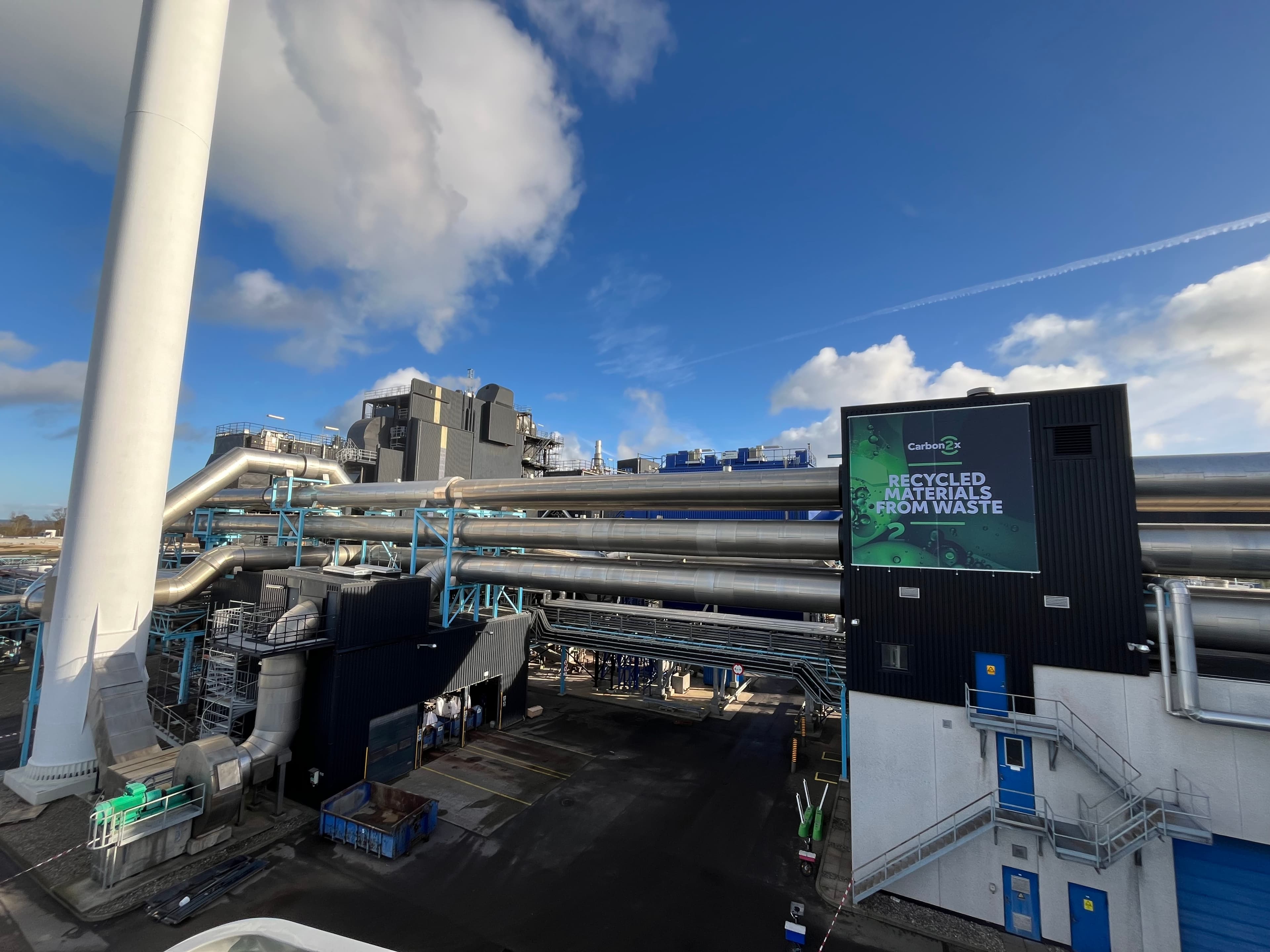
NG Nordic has completed a successful demonstration of carbon capture technology at its hazardous waste facility in Nyborg, Denmark, providing valuable insights into emissions reduction in hazardous waste treatment. The demonstration marks the first time carbon capture has been implemented at a hazardous waste incineration plant, setting a new benchmark for the sector.
Hazardous waste incineration is recognized as a hard-to-abate activity due to the high-temperature combustion processes, variable flue gas composition, and elevated levels of contaminants. Despite these challenges, the carbon capture technology applied at the Nyborg facility delivered strong performance across key parameters, including energy efficiency, carbon capture rates up to 95%, and emissions control.
The successful demonstration shows that carbon capture can be a viable and effective solution for significantly reducing CO₂ emissions from essential hazardous waste treatment operations. The project provides a valuable blueprint for how carbon capture can be deployed within the hazardous waste industry, supporting a viable technical transition towards lower-carbon operations.
This pilot project has provided valuable insight into how carbon capture technology performs in one of the most demanding waste treatment environments,” said Katrine Magnussen, Senior Manager, Business Development, NG Nordic Denmark A/S. “Successfully testing the technology at a hazardous waste facility and achieving strong technical results is an important milestone in itself and contributes valuable knowledge for the sector
The carbon capture solution was demonstrated in collaboration with SLB Capturi, whose technology proved capable of handling the demanding conditions associated with high-temperature hazardous waste incineration.
NG Nordic continues to explore and develop innovative solutions that support the decarbonization of waste and resource management, while ensuring responsible treatment of society’s most challenging waste streams.
Technical studies, market dialogue, and pilot testing have provided valuable insight into the conditions required for potential full-scale implementation. The results indicate technical feasibility, while also highlighting the need for substantial external co-financing and supportive framework conditions.